
Our Work
Filter

Salvin Dental
Salvin Dental
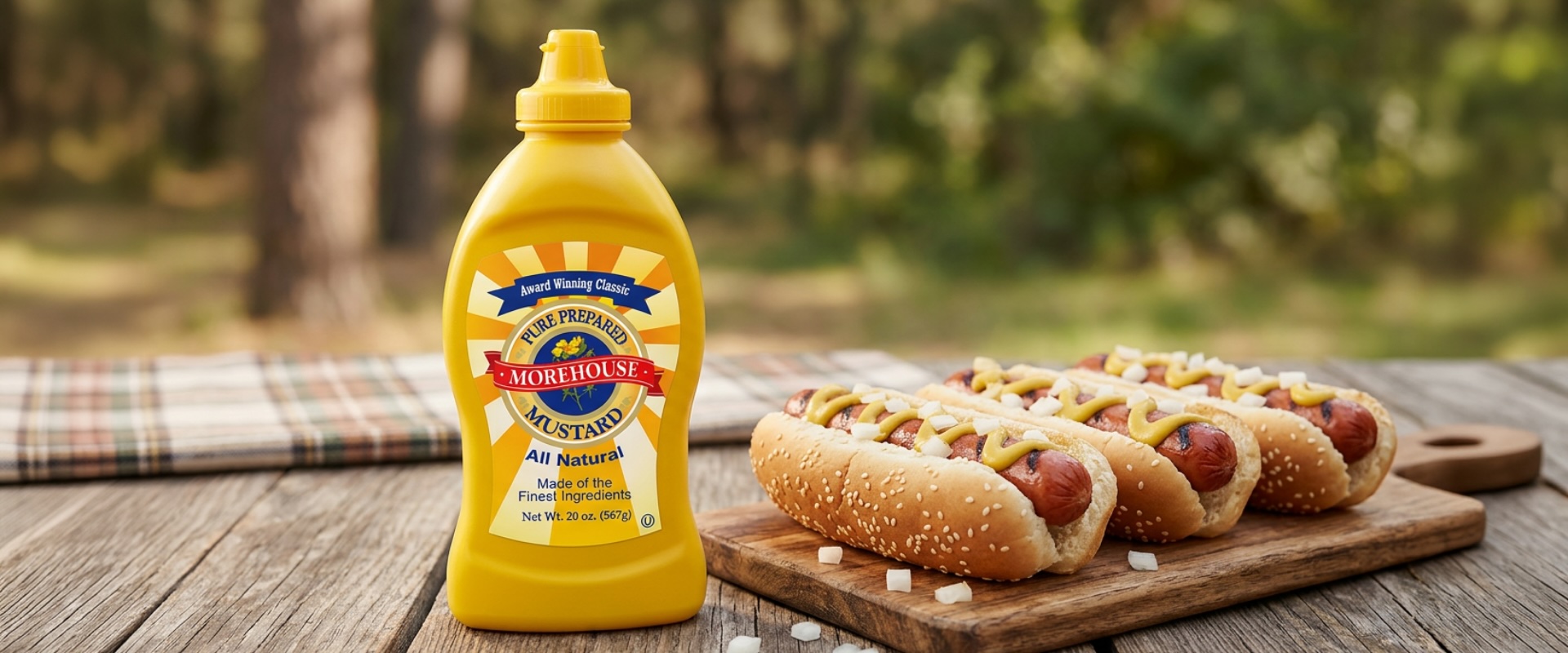
Morehouse Foods
Morehouse Foods

Nordic Sauna
Nordic Sauna

Check n’ Play
Check n’ Play

SmileSet
SmileSet

OSI Express & OSI IDX
OSI Express & OSI IDX

The Original Super Glue
The Original Super Glue

Ualett
Ualett

HyperX
HyperX

Don Roberto Jewelers
Don Roberto Jewelers

Glico
Glico

Think Together
Think Together

Young Surgical
Young Surgical

DESS USA
DESS USA

California Online Public Schools
California Online Public Schools

UFC Gym
UFC Gym

Fujifilm Biosciences
Fujifilm Biosciences

EquityMD
EquityMD

Countryside Marketplace
Countryside Marketplace

Cast & Crew
Cast & Crew

Girl Scouts of LA
Girl Scouts of LA

Orangetheory Fitness
Orangetheory Fitness

Mono B
Mono B

Pocky
Pocky

KIA Motors
KIA Motors

RICOH
RICOH
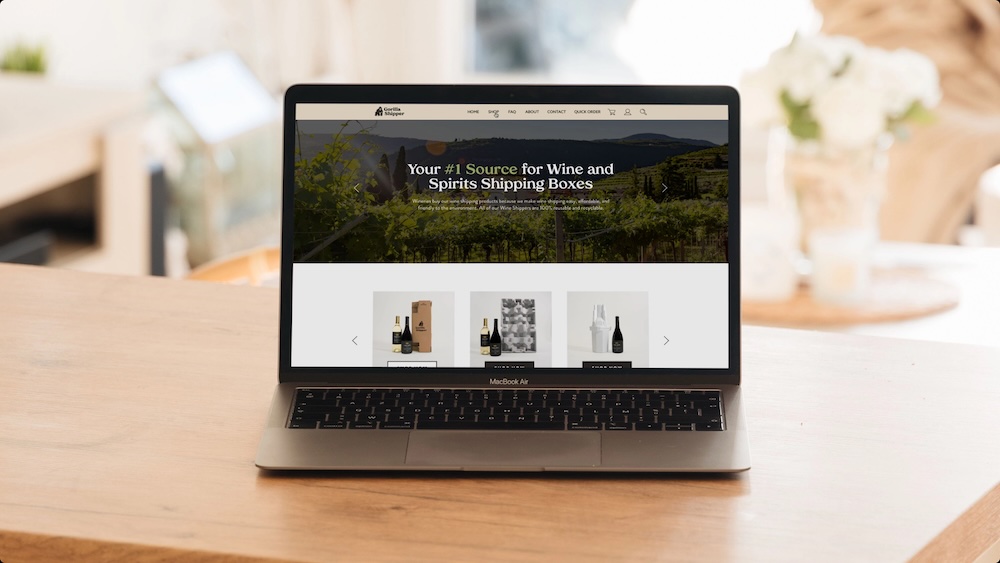
Gorilla Shipper
Gorilla Shipper

Meathead Movers
Meathead Movers

Friar Tux
Friar Tux

Health Mate
Health Mate
What industries does Brandastic have experience in?
Brandastic works with education organizations, automotive brands, healthcare and dental providers, fitness and wellness companies, fashion and consumer goods brands, technology platforms, and SaaS companies. Strategies are adapted to each industry’s audience behavior, compliance requirements, and sales cycle.
How does Brandastic approach marketing strategy for different industries?
Brandastic applies a consistent strategic framework—research, positioning, channel alignment, and conversion optimization—while tailoring execution based on industry-specific intent, competition, and buyer journey complexity.
How does Brandastic handle long decision cycles?
For industries with extended sales cycles, Brandastic uses educational content, remarketing, funnel segmentation, and intent-based targeting to nurture prospects and improve conversion efficiency over time.
How does Brandastic compete in saturated or competitive markets?
Brandastic focuses on differentiated messaging, geo-targeted and intent-driven keyword strategies, creative testing, and continuous performance optimization to outperform competitors in crowded markets.
What results do Brandastic marketing projects typically achieve?
Projects are designed to drive measurable business outcomes such as increased qualified leads, higher conversion rates, improved return on ad spend (ROAS), enrollment growth, or revenue efficiency—not just traffic volume.
How does Brandastic improve conversions, not just visibility?
Traffic acquisition is paired with landing page optimization, funnel design, user experience improvements, and performance testing to ensure visitors convert into meaningful actions.
How does Brandastic use SEO to drive growth?
SEO strategies focus on aligning content with search intent, building service- or solution-specific pages, improving technical performance, and creating educational resources that support discovery and long-term demand generation.
How does Brandastic explain complex products or services?
Complex offerings are translated into benefit-driven messaging supported by structured content, clear service explanations, comparison pages, and conversion-focused layouts.
Which marketing channels does Brandastic typically use?
Channel mix depends on goals and audience behavior, but often includes SEO, paid search, paid social, remarketing, email marketing, and conversion-focused landing pages.
How does Brandastic support multi-location or regional brands?
Campaigns are structured with location-specific targeting, geo-optimized pages, and centralized performance oversight to maintain consistency while capturing local demand.
How does Brandastic support SaaS and technology companies?
For SaaS and technology brands, Brandastic builds problem–solution content, feature education pages, comparison-driven SEO assets, and funnel-based paid campaigns aligned with long B2B sales cycles.
How does Brandastic drive demand for consumer and product-based brands?
Demand is generated through product-focused SEO, paid media campaigns, merchandising-driven landing pages, and conversion optimization that improves discovery and purchase behavior.
How does Brandastic build trust in regulated industries like healthcare?
Trust is strengthened through clear service explanations, educational content, consistent branding, reputation signals, and compliance-aligned messaging strategies.
How does Brandastic measure campaign success?
Success is evaluated using business-aligned metrics such as cost per lead (CPL), conversion rate, return on ad spend (ROAS), enrollment volume, customer acquisition cost (CAC), and overall revenue impact.


